

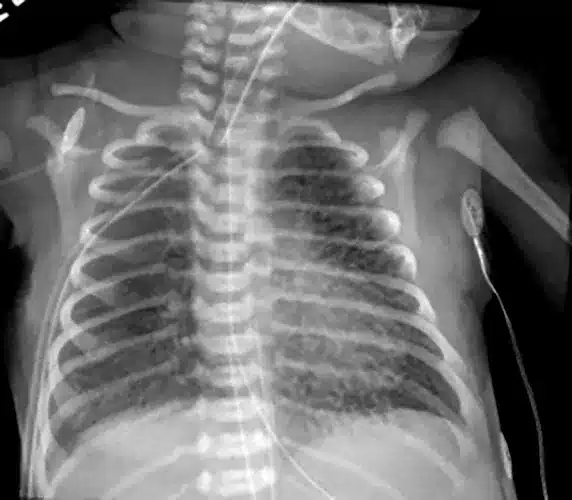
If your newborn was diagnosed with hypoxic-ischemic encephalopathy (HIE), an Illinois HIE birth injury lawyer at Mixan Mahony, LLC can help you find out whether the injury was preventable. HIE is a brain injury caused by too little oxygen or blood flow to a baby’s brain around the time of birth. Some cases happen despite good care; others follow missed warning signs during labor. In Illinois, a child’s birth injury claim generally must be filed within 8 years and before the child’s 22nd birthday. Partners Colleen Mixan Mikaitis and Mackenzie J. Mahony personally oversee every case, and there is no fee unless there is a recovery.
What Is HIE?
“Hypoxic” means low oxygen, “ischemic” means reduced blood flow, and “encephalopathy” means abnormal brain function. HIE occurs in roughly 1 to 3 of every 1,000 full-term births. It can follow a sudden event such as a placental abruption or umbilical cord prolapse, or a slower problem that develops during labor. The brain injury can continue to evolve for hours after birth, which is why fast recognition matters.
Signs Doctors Look For
- Low Apgar scores and a need for resuscitation at birth
- Acidic cord or newborn blood gas results
- Poor tone, weak reflexes, trouble feeding, or breathing problems
- Seizures
- Problems with other organs, such as the kidneys or liver
The 6-Hour Cooling Window
For babies born at 36 weeks or later with moderate to severe HIE, the standard treatment is therapeutic hypothermia: cooling the baby’s body to about 33.5 to 34.5 degrees Celsius, started within 6 hours of birth and continued for 72 hours. Research shows cooling reduces the risk of death or moderate to severe disability. Because many babies are born at hospitals that do not provide cooling, medical guidance calls for delivery hospitals to have plans to recognize HIE quickly and transfer babies to a cooling center. Whether cooling was considered and started on time is often a key question in an HIE case.
MRI and Long-Term Outlook
Babies treated for HIE usually have a brain MRI in the first days to weeks of life. The pattern of injury on MRI helps doctors predict outcomes. Outcomes vary widely. Some children develop typically, while others have cerebral palsy, seizures, vision or hearing problems, or developmental delays. No one can promise a particular outcome, and every child’s path is different. Learn more on our cerebral palsy birth injury page.
How HIE Malpractice Claims Arise
Not every HIE case is malpractice. A claim may exist when the medical team fell below the standard of care and that failure caused or worsened the injury. Common issues include:
- Failing to recognize or act on concerning fetal heart rate patterns
- Delaying a needed cesarean section
- Mismanaging Pitocin and excessive contractions
- Missing signs of placental abruption, uterine rupture, or cord problems
- Delayed or inadequate newborn resuscitation
- Failing to start cooling, or to transfer the baby to a cooling center, within the treatment window
The key evidence includes fetal monitoring strips, nursing labor notes, cord blood gases, resuscitation records, NICU records, and MRI reports. Expert witnesses in obstetrics, neonatology, and pediatric neurology review these records to determine what happened and when.
Illinois Law for HIE Birth Injury Claims
- Deadline for a child’s claim: generally within 8 years of the act or omission, and never after the child’s 22nd birthday (735 ILCS 5/13-212(b)). Parents’ own claims, such as for medical expenses, can have shorter deadlines, so do not wait.
- Health professional report: a written report from a qualified health professional must accompany the complaint (735 ILCS 5/2-622).
- No cap on damages: the Illinois Supreme Court struck down the medical malpractice noneconomic damages cap in Lebron v. Gottlieb Memorial Hospital, 237 Ill. 2d 217 (2010).
- Fee limit: contingent fees in medical malpractice cases may not exceed one-third of the recovery (735 ILCS 5/2-1114).
For the full statutes, see our Illinois medical malpractice lawyer page. For families in Cook County, see our Chicago birth injury lawyers page.
What a Claim Can Help Pay For
Children with HIE may need lifelong therapies, equipment, home modifications, and care. A case can seek past and future medical and care costs, lost future earning ability, and the child’s pain, suffering, and loss of normal life. Life care planners and economists help project these needs.
Illinois HIE Birth Injury FAQ
Does an HIE diagnosis mean the doctors made a mistake?
No. Some HIE cannot be prevented. A careful review of the labor and delivery records is needed to tell whether the injury was avoidable.
My baby was cooled. Can we still have a case?
Yes, possibly. Cooling treats the injury after birth. The question in a case is usually whether the oxygen deprivation itself could have been prevented during labor.
How long do we have to file an HIE lawsuit in Illinois?
A child’s claim generally must be filed within 8 years of the act or omission and before the child’s 22nd birthday, but parents’ claims can be shorter. Talk to a lawyer early.
Is HIE the same as cerebral palsy?
No. HIE is the brain injury around birth. Cerebral palsy is one possible long-term result of that injury, but many children with HIE do not develop it.
What records should we request?
The mother’s prenatal and labor records, fetal monitoring strips, the baby’s delivery, NICU, and transfer records, cord blood gas results, and MRI reports.
What does it cost to hire your firm?
Nothing up front. There is no fee unless there is a recovery, and Illinois limits medical malpractice contingent fees to one-third.
Talk to an Illinois HIE Birth Injury Lawyer
Caring for a child with HIE is overwhelming, and you should not have to piece together the medical records alone. Call Mixan Mahony, LLC at (312) 262-3971, any hour, or request a free, confidential case review. You can also find our Chicago personal injury law office on Google Maps. There is no fee unless there is a recovery.
This page is general information, not legal or medical advice, and does not create an attorney-client relationship. Medical decisions should be made with your child’s doctors. Past results do not guarantee future outcomes.
Talk With an Illinois HIE Birth Injury Lawyer
If your baby was diagnosed with hypoxic-ischemic encephalopathy, an Illinois HIE birth injury lawyer can review the labor and delivery records, the fetal heart monitoring strips, and the timing of any cooling therapy. Partners Colleen Mixan Mikaitis and Mackenzie J. Mahony personally oversee every case. Call (312) 262-3971 any time, 24 hours a day, or contact us online for a free consultation with an Illinois HIE birth injury lawyer. Related pages: Chicago birth injury and cerebral palsy claims. No fee unless there is a recovery.